The healthcare landscape in Australia is evolving at an unprecedented pace. From groundbreaking medical advancements to the increasing demand for specialized care, the future nurses, doctors, and allied health professionals face a dynamic and challenging environment. While traditional classroom learning forms the bedrock of their education, the digital realm offers an invaluable arsenal of resources that can significantly enhance their understanding, practical skills, and overall preparedness. This blog post explores the essential digital tools and platforms that Australia’s next generation of healthcare heroes should be leveraging to excel in their studies and future careers.
The Shifting Sands of Healthcare Education: Why Digital is Key
For decades, medical and nursing education primarily relied on textbooks, lectures, and hands-on clinical experience. While these remain crucial, the sheer volume of new information, the rapid development of technologies, and the need for flexible learning options have propelled digital resources to the forefront. A report by the Australian Digital Health Agency (ADHA) highlights the critical role of digital literacy in the healthcare workforce, emphasizing that future professionals must be adept at utilizing digital tools for patient care, data management, and continuous learning.
Furthermore, the recent global health challenges have underscored the importance of adaptable and resilient healthcare systems, often driven by innovative digital solutions. Australian universities and healthcare providers are increasingly integrating digital platforms into their curricula, recognizing that today’s students are digital natives who thrive in interactive and accessible learning environments. This shift isn’t just about convenience; it’s about equipping students with the skills and knowledge necessary to navigate a digitally-driven healthcare future.
Navigating the Digital Landscape: Essential Resources
The digital world can be vast and overwhelming. To help Australia’s aspiring healthcare professionals cut through the noise, here’s a curated list of essential digital resources:
1. Online Learning Platforms & MOOCs (Massive Open Online Courses):
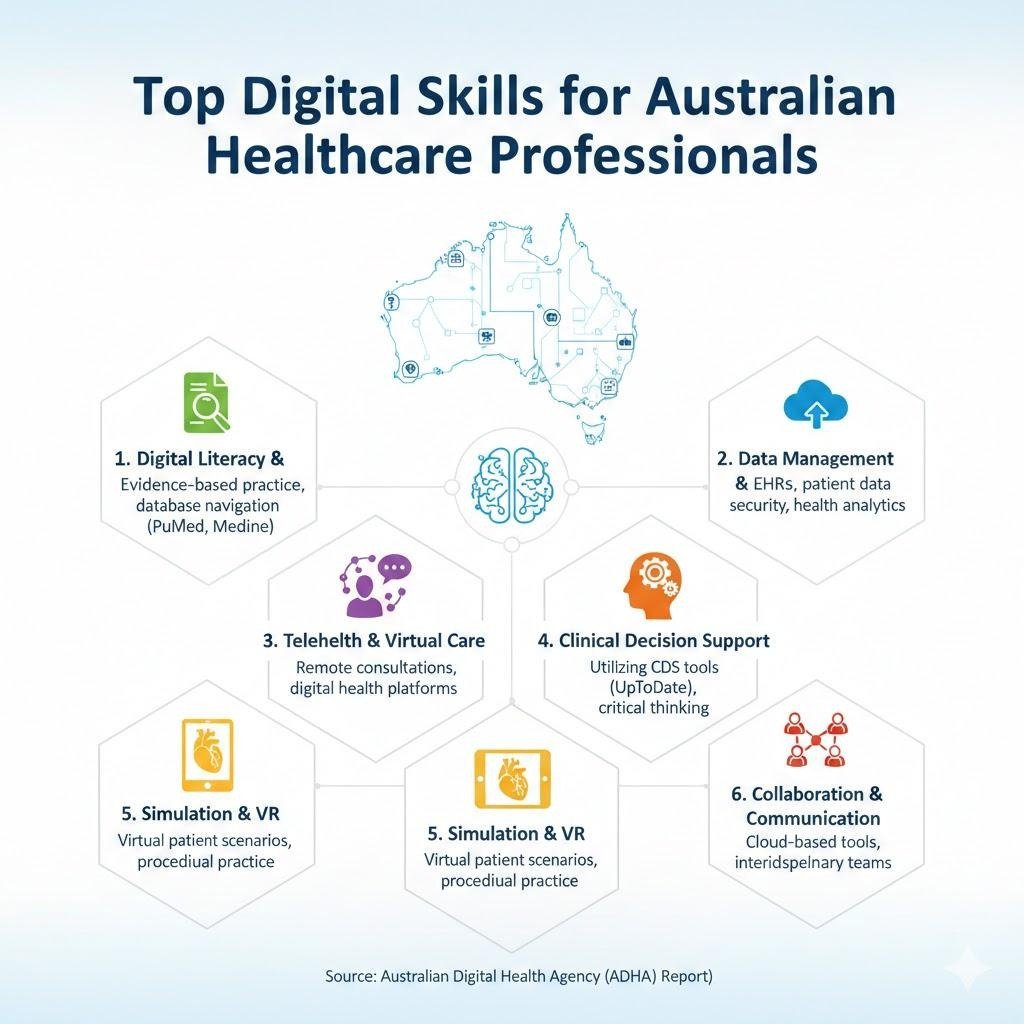
Platforms like Coursera, edX, and FutureLearn offer a plethora of courses from leading universities worldwide, often free or at a nominal cost. For Australian students, these can provide supplementary knowledge in specialized areas, brush up on foundational concepts, or even explore interdisciplinary topics relevant to healthcare, such as health informatics or medical ethics. Several Australian universities also host their own open courses, providing localized insights into the country’s healthcare system. For those who find themselves grappling with complex concepts or demanding workloads, specialized academic support can be a lifesaver. Services offering Nursing Assignment Help provide tailored assistance, ensuring students can master challenging topics and maintain their academic progress.
2. Medical Databases and Research Journals:
Access to up-to-date, evidence-based information is paramount in healthcare. Databases like PubMed, Medline, and Embase are indispensable for research and understanding the latest clinical guidelines. Many Australian university libraries provide free access to these resources. Additionally, journals such as the Medical Journal of Australia (MJA) and the Australian Journal of Advanced Nursing offer localized research and perspectives crucial for understanding the Australian healthcare context. Regularly engaging with these platforms cultivates critical thinking and an evidence-based practice mindset.
3. Anatomy & Physiology Apps and Software:
Gone are the days of relying solely on static diagrams. Interactive 3D anatomy apps like Complete Anatomy and Visible Body allow students to explore the human body in intricate detail, rotate organs, and even simulate physiological processes. These visual and interactive tools significantly enhance understanding and retention, making complex anatomical structures far more comprehensible.
4. Clinical Decision Support Tools:
As students transition from theory to practice, clinical decision support tools become invaluable. Apps like UpToDate and BMJ Best Practice provide quick access to evidence-based clinical information, drug dosages, and treatment guidelines at the point of care. While not a substitute for critical thinking and supervision, these tools can aid in rapid information retrieval and reinforce safe clinical practices.
5. Simulation Software and Virtual Reality (VR):
The power of simulation in healthcare education cannot be overstated. From virtual patient scenarios that allow students to practice diagnostic skills and treatment plans without risk to VR platforms that simulate surgical procedures or emergency responses, these technologies offer invaluable hands-on experience. Australian institutions are increasingly investing in VR and AR (Augmented Reality) tools to create immersive learning environments, bridging the gap between classroom theory and real-world clinical application.
6. Professional Organization Resources:
Organizations such as the Australian Medical Association (AMA), the Australian Nursing and Midwifery Federation (ANMF), and peak bodies for allied health professions offer a wealth of digital resources. These often include educational webinars, policy documents, ethical guidelines, and career development tools. Engaging with these resources helps students understand their professional responsibilities and stay abreast of industry standards.
7. Productivity and Collaboration Tools:
Beyond specialized medical resources, general productivity and collaboration tools are essential for academic success. Cloud-based platforms like Google Drive or Microsoft 365 facilitate group projects, document sharing, and remote collaboration. Reference management software like EndNote or Zotero helps organize research and streamline citation processes, a critical skill for academic writing. Sometimes, the demands of multiple assignments can become overwhelming, and in such instances, students might consider options to pay to do my assignment, allowing them to manage their workload effectively while maintaining academic integrity.
Ensuring Quality and Reliability: EEAT Principles in Digital Learning
In the age of information overload, discerning reliable sources is crucial. The principles of Expertise, Experience, Authoritativeness, and Trustworthiness (EEAT) are vital when evaluating digital resources. Students should prioritize information from:
- Expert Sources: Content created by recognized medical professionals, academics, and reputable institutions.
- Experienced Platforms: Websites and databases with a long-standing reputation for accuracy and regular updates.
- Authoritative Bodies: Official government health organizations (e.g., Department of Health), professional associations, and peer-reviewed journals.
- Trustworthy Information: Sources that cite their references, are transparent about their methodology, and are free from bias.
Developing a critical eye for information quality is a skill that will serve healthcare professionals throughout their careers.
Conclusion: Empowering the Future of Australian Healthcare
Australia’s next generation of healthcare heroes stands at the cusp of a transformative era. By embracing and effectively utilizing the vast array of digital resources available, they can not only enhance their academic journey but also develop the essential skills required to thrive in a technologically advanced healthcare system. From accessing cutting-edge research to practicing clinical skills in virtual environments, the digital world offers unparalleled opportunities for growth and learning. Empowering these aspiring professionals with the right digital tools today is an investment in a healthier, more resilient future for all Australians.
Key Takeaways
- The Australian healthcare landscape demands digitally literate professionals.
- Online learning platforms and MOOCs offer flexible supplementary education.
- Medical databases and research journals are crucial for evidence-based practice.
- Interactive anatomy apps and simulation software enhance practical understanding.
- Clinical decision support tools aid in safe and informed patient care.
- EEAT principles are vital for evaluating the reliability of digital resources.
Frequently Asked Questions (FAQs)
Q1: Are free online medical courses reliable?
A1: Many free online courses (MOOCs) from reputable universities and organizations (like those on Coursera, edX) are highly reliable and provide excellent supplementary learning. However, always check the source and the credentials of the instructors, adhering to EEAT principles.
Q2: How can I access medical journals if my university doesn’t provide access?
A2: While university libraries are the primary gateway, some journals offer open-access articles. You can also look for public medical libraries or consider using services like ResearchGate, where researchers share their papers (though always verify the final published version).
Q3: Is it necessary to pay for medical apps, or are free ones sufficient?
A3: Many free medical apps offer valuable features, but paid versions often provide more in-depth content, advanced functionalities (like 3D models), and ad-free experiences. The choice depends on your specific learning needs and budget.
Q4: How important is digital literacy for nurses specifically?
A4: Extremely important. Nurses regularly interact with Electronic Health Records (EHRs), telehealth platforms, smart medical devices, and digital communication tools. Strong digital literacy is essential for efficient, safe, and effective patient care in modern nursing.
Q5: How can I stay updated with new digital health tools and resources?
A5: Follow reputable health technology blogs, professional organizations (e.g., ADHA, HIMSS), and academic institutions. Attending webinars and conferences on digital health is also a great way to stay informed.
References
Government & National Regulatory Bodies
- Australian Digital Health Agency (ADHA): * Corporate Plan 2024–2025 and Annual Report 2024–25. These documents confirm the national priority of building a “digitally ready workforce” and modernising infrastructure through tools like the My Health Record and the “my health” app.
- National Digital Health Strategy 2023–2028. This serves as the blueprint for the four interconnected outcomes: digitally enabled, person-centred, inclusive, and data-driven healthcare.
- Australian Health Practitioner Regulation Agency (AHPRA): * Draft Guidance on Professional Capabilities (2024/2025). This highlights that nearly 30% of healthcare tasks could be automated by AI, saving practitioners up to 11 hours per week.
- Telehealth Guidance for Practitioners. Provides the framework for virtual care and the ethical use of digital communication in Australian clinical settings.
- Department of Health and Aged Care: * Digital Health Blueprint 2023–2033. A 10-year roadmap focusing on “Digital Front Doors” and consumer-led healthcare access.
Professional & Academic Peak Bodies
- Australian College of Nursing (ACN): * Digital Health Online Educational Resources. Specifically tailored for nursing students to align with national competency frameworks.
- Australian Nursing and Midwifery Federation (ANMF): * Digital Health Hub. Source for eLearning packages on electronic prescribing, digital security awareness, and My Health Record integration in clinical workflows.
- Tertiary Education Quality and Standards Agency (TEQSA): * Higher Education Standards Framework (2021). Guidelines on academic integrity and the quality of online/digital learning environments in Australian universities.
Clinical & Digital Tools Referenced
- PubMed / Medline / Embase: Recognized as the global gold standard for evidence-based medical research databases.
- Medical Journal of Australia (MJA): The leading peer-reviewed journal for localized Australian clinical research.
- 3D Anatomy Platforms: Reference to Complete Anatomy and Visible Body, which are standard supplementary tools in Australian medical curricula.
- Clinical Decision Support: Reference to UpToDate and BMJ Best Practice, which are evidence-based tools used at the point of care in Australian hospitals.
About the Author
Dr. Alistair Finch is a senior content writer and academic consultant at MyAssignmentHelp. With a background in medical research and health education, Alistair brings a wealth of expertise to students navigating the complexities of healthcare studies in Australia. He is passionate about empowering the next generation of healthcare professionals with the knowledge and tools they need to succeed. His work at MyAssignmentHelp focuses on providing comprehensive support and insights into effective academic strategies and resource utilization.